


Are you familiar with the concept of ergonomics? Ergonomics is a fascinating field that focuses on making everyday items more user-friendly and efficient.
In other words, that comfortable chair you use at work was probably “ergonomically” designed for that very reason. It may even come with other features that are beneficial for your health and overall work productivity.
Derived from the greek word “ergon”, ergonomics is the study of understanding the interaction between humans and their environment. It aims to improve the design of products such as everyday office furniture, making them more safe, comfortable and ultimately, human friendly.
Why is Ergonomics Important?
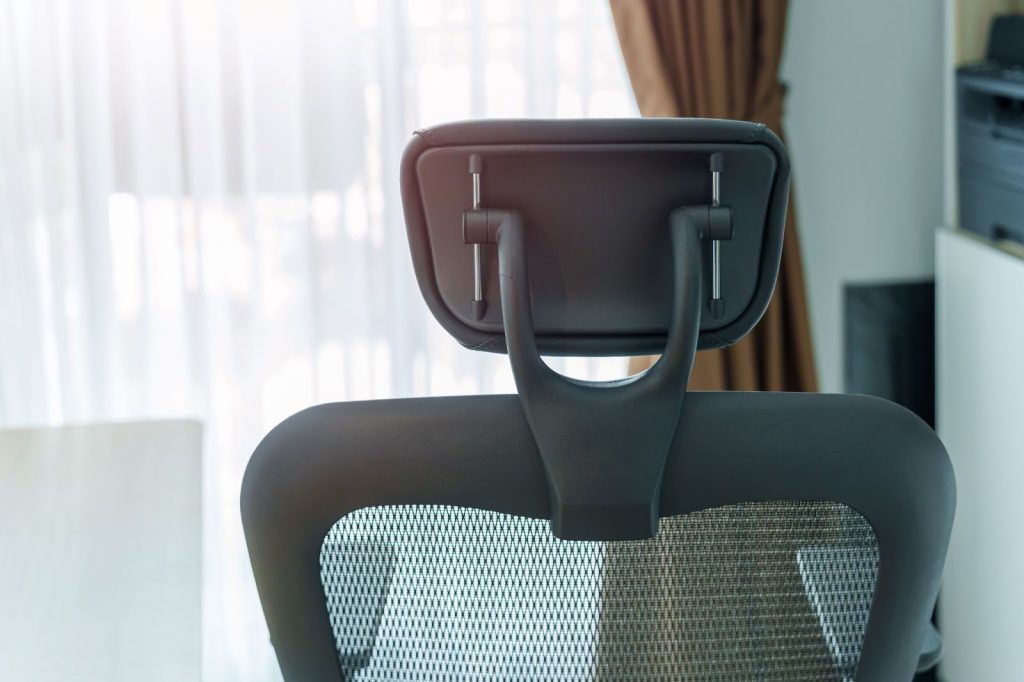
Ergonomics became popular during World War 2 and it was specifically used on aeroplane cockpits. The cockpits were redesigned to improve comfort and efficiency, helping pilots fly better.
Fast forward to the present, and the influence of ergonomics can be seen in various products such as ergonomic office chairs and ergonomics desks. Comfort is important in today’s working environment with chairs and desks playing an important role in facilitating our well-being.
Conversely, a non-ergonomic work environment can cause a whole range of issues including physical discomfort and decreased productivity. In worst case scenarios, it may even lead to long-term health problems! And that’s where ergonomics comes into play.
The Impact of a Non-Ergonomic Work Environment

The lack of ergonomics can have negative effects on individuals and their work environment. Physical discomfort such as muscle strain, back pain and headaches are some of the more common issues related to bad ergonomics.
However, these issues may lead to more chronic conditions such as Musculoskeletal Disorder (MSD) which affects many people throughout the working world. A lack of ergonomics may even impact an organisation’s entire operation, leading to a drop in work efficiency.
This can also lead to a decrease in workforce longevity, forcing employees to retire early due to health-related problems.
How Does Ergonomic Work?

The concept of ergonomics was introduced during the second world war but it gained prominence during the late 20th century. That was when researchers and practitioners started applying ergonomic principles across various industries and fields.
Ergonomics works through a systematic approach that involves several disciplines. These disciplines help ergonomists draw data and information about humans and their environment. The process includes:
- Anthropometry: Anthropometry is the study of human body measurements. It plays a crucial role in providing data on the dimensions, properties and variability of the human body.
It involves measuring and analysing different parts of the body to ultimately understand all body shapes and sizes.
- Biomechanics: Biomechanics is the study of body mechanics. It focuses on the forces, movements and interactions within the body’s musculoskeletal system.
It help’s researchers understand how the body responds to different physical activities and work demands. This information is then used to design work processes and equipment that minimise the risk of musculoskeletal injuries.
- Cognitive: On the other hand, we have cognitive ergonomics which focuses on the study of mental processes. So how does this help with the design of an ergonomic desk or chair?
While physical ergonomics primarily deals with the physical aspects of design, cognitives ergonomics is concerned with how humans interact with the environment. This includes how they process information, solve problems and make decisions.
- Environmental: Environmental ergonomics takes into account the surrounding factors that can influence human performance and well-being. This includes lighting, noise, temperature and air quality.
By analysing environmental conditions, ergonomics aims to reduce stress and minimise distractions that jeopardise our overall well-being.
The Function
Adjustability is the main function of gaming chairs.
Most gaming chairs allow users to adjust various components to suit their preferences. Most of the seats are made to be easily modified to match the user’s desk or gaming setup.
In some gaming chairs, the armrests can be adjusted in terms of height, width, and angle, providing proper support to the arms and wrists. The backrest angle can also be adjusted, allowing users to recline the chair for relaxation or sit upright for focused gaming.
These adjustable features ensure that users can find their optimal sitting position, enhancing comfort and reducing the chances of fatigue or muscle strain.
The Comfort
When it comes to comfort, gaming chairs are designed for long gaming sessions by providing the user with the support and comfort they need.
The race car seat design is directly inspired by real race car seats that we often see in cars because the seats designed for cars are designed to provide maximum comfort for hours of driving that the user would do.
The curved shape, high backrest, and bolstered sides of race car seats offer excellent support and stability, reducing fatigue during extended gaming sessions.
The Advantages of Ergonomics

There are several advantages of having an ergonomic workplace. Here are some key advantages:
- Enhanced Comfort: Increased comfort is one of the main advantages of dabbling in ergonomics. It prioritises the comfort and well being of individuals, reducing physical strain and preventing discomfort with prolonged sitting.
Introducing ergonomic office chairs and ergonomic desks is a good way to start creating a more comfortable and supportive workplace.
- Prevents Injury: By designing a workspace that minimises physical strain, ergonomics can help prevent injuries such back pains, neck strains and MSD. Along with comfort, injury prevention is one of the primary focuses of ergonomics.
This may also lead to reduced absenteeism and fewer compensation claims, lowering healthcare costs for both employees and company!
- Increased Productivity: Healthy employees are happy employees and that leads to better work productivity. Individuals are happier when they are comfortable and injury free, allowing them to perform better when it comes to work.
This results in increased productivity and work output, leading to a better overall job performance.
Summary
In conclusion, the primary goal of ergonomics is to create a harmonious relationship between humans and their environment. It is a crucial field that involves making everyday items such as office furniture more user-friendly, safe and efficient.
Integrating ergonomics into the workplace is a common practice in this day and age. Ergonomic office chairs, desks and other solutions are widespread throughout many organisations. At the end of the day, it’s a great way to promote the overall wellbeing of employees.
Not to mention keep them happy so they can perform and remain productive!
Click here and Enhance your space with ergonomic office solutions with DSolutions!