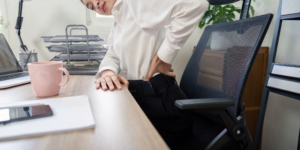


Office chairs are designed to support your body, yet they are often blamed for back pain, stiff necks, and poor posture.
So, are office chairs actually dangerous, or have we been pointing our finger at the wrong culprit? The answer depends on the chair itself, how it’s designed, and how we use it every day.
Office Chairs Aren’t Inherently Dangerous
Are office chairs dangerous? The short answer is no. A well-designed office chair that supports your posture isn’t harmful.
Problems typically arise when a chair lacks ergonomic features or when prolonged sitting becomes part of a daily routine without regular movement.
Research has shown that extended sedentary behaviour is associated with a range of health concerns. However, sitting itself is only one part of the equation. Factors such as posture, chair design, workstation setup, and movement throughout the day all influence how sitting affects your body.
An office chair may contribute to discomfort when it:
- Provides inadequate lumbar support, causing the lower back to lose its natural curve
- Encourages awkward sitting positions, placing additional strain on muscles and joints
- Restricts circulation due to an unsuitable seat height or seat depth
- Promotes prolonged static postures with little opportunity for movement
- Doesn’t accommodate different body sizes and working preferences, making it harder to maintain a comfortable posture
The good news is that many of these issues can be minimised with the right chair, an ergonomic workstation setup, and healthier workplace habits.
Signs Your Office Chair is Not Supporting You Properly
Many people assume occasional aches are simply part of office life. In reality, your chair may be contributing to daily discomfort without you noticing.
Common signs that your chair isn’t supporting you properly include:
1. Persistent Back Pain
Lower back discomfort is one of the most frequently reported complaints among office workers. When a chair doesn’t support the lumbar region, the spine tends to slump forward. Over time, this can place extra pressure on spinal discs, muscles, and ligaments.
2. Neck and Shoulder Tension
If your chair is too low, too high, or lacks proper arm support, your shoulders may remain elevated throughout the day. This sustained tension can lead to stiffness, soreness, and headaches.
3. Numbness in the Legs
A seat that is too deep or too high can create pressure beneath the thighs. This may reduce blood flow and cause tingling sensations or numbness in the lower limbs.
4. Fatigue During the Workday
Poor posture requires muscles to work harder to maintain stability. Even if you don’t notice pain immediately, inadequate support can contribute to fatigue and reduced concentration levels over time.

The Bigger Concern May Be How Long You Sit
For many office workers, the greater risk isn’t the chair itself but the amount of time spent sitting each day. Prolonged periods of inactivity have been linked to a range of health concerns, regardless of how supportive your chair may be.
Studies have linked excessive sedentary behaviour to several health concerns, including:
- Reduced circulation due to limited movement
- Muscle deconditioning over time
- Increased stiffness in the hips and lower back
- A higher risk of weight gain when combined with low physical activity levels
- Postural habits that become increasingly difficult to correct
That doesn’t mean everyone who works at a desk is destined to experience health problems. Regular movement remains one of the most effective ways to minimise these risks.
Simple habits can help:
- Change positions regularly to relieve pressure points
- Stand up every 30 to 60 minutes to break up long periods of sitting
- Take short walking breaks between meetings or tasks
- Stretch your shoulders, hips, and legs throughout the day
- Keep your screen at eye level to reduce strain on your neck
- Sit fully against the backrest so your chair can provide proper support
- Pay attention to discomfort, as it may indicate that your workstation needs adjustment.
A good office chair should support movement and flexibility rather than encourage you to remain in a fixed posture for hours.
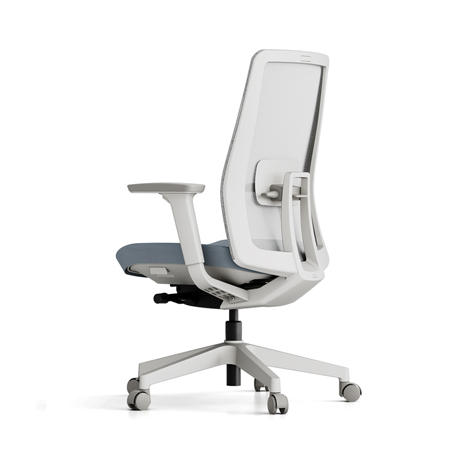
The Features That Help Make an Office Chair Safer
An ergonomic office chair is designed to adapt to the user instead of forcing the user to adapt to the chair. Several features can contribute to a healthier sitting experience.
1. Adjustable Lumbar Support
The lower back naturally curves inward. Adjustable lumbar support helps maintain this curve and reduces strain on the spine.
2. Seat Height Adjustment
Your feet should rest comfortably on the floor, with your knees level with or slightly lower than your hips. A chair with adjustable height helps you maintain a posture that reduces strain on your back and legs.
3. Seat Depth Control
People come in different shapes and sizes. Seat depth adjustment ensures there’s enough support beneath the thighs while maintaining a small gap between the seat edge and the back of the knees.
4. Adjustable Armrests
Properly positioned armrests can reduce pressure on the shoulders and neck. Ideally, your elbows should rest comfortably while remaining close to your body.
5. Breathable Materials
Mesh backrests and breathable fabrics may improve comfort, particularly in warmer climates such as Singapore. Better airflow can help reduce heat build-up during long working hours.
6. Smooth Mobility and Stability
A stable five-point base and quality castors allow easier movement around the workstation and help minimise tipping risks.
Investing in Better Seating Can Support Long-Term Wellbeing
A quality office chair should help you work comfortably, support healthier posture, and reduce unnecessary strain during long hours at your desk.
Whether you work from home, spend your days in a corporate office, or manage a hybrid schedule, your seating choice can influence how you feel physically and mentally by the end of the day.
If you’ve been asking yourself whether office chairs are dangerous, the better question may be whether your current chair is supporting your body as effectively as it should.
At DSolutions, we understand that comfort, productivity, and wellbeing often go hand in hand. If you’re looking to create a workspace that supports healthier sitting habits, explore our range of ergonomic office chairs designed to adapt to the way you work.
Not sure which ergonomic office chair suits your workspace best? Our team is here to help you explore options designed around your comfort, work style, and daily routine. Feel free to reach out to us for assistance.