

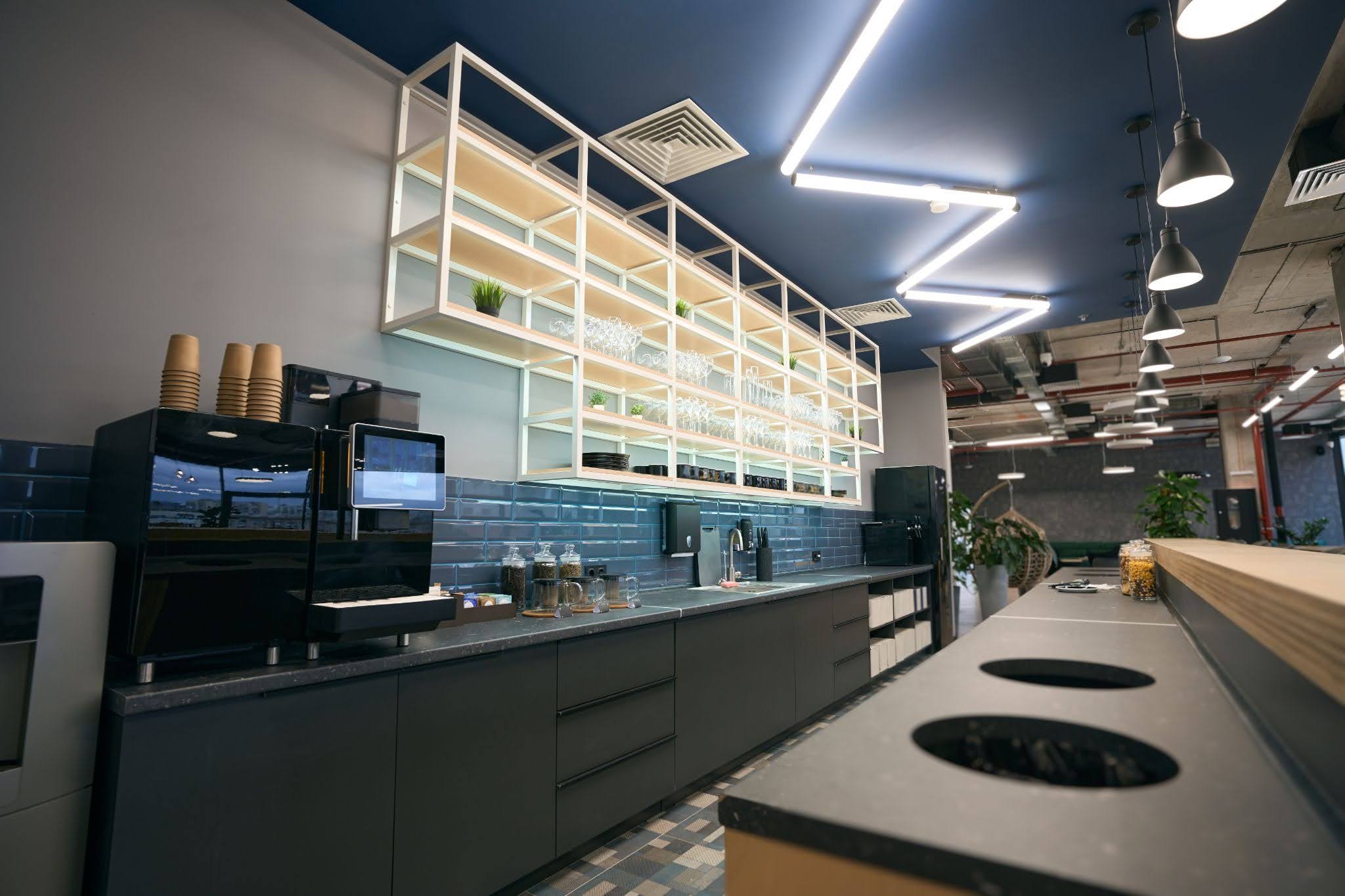
When planning an office design, most businesses focus on essential areas such as workstations, meeting rooms, and overall space layout. However, smaller spaces like the office pantry can also influence how employees interact with and experience the workplace every day.
An office pantry is more than just a place to prepare drinks or have meals. It gives employees a space to step away from their tasks, recharge during the day, and connect with colleagues outside their usual work areas.
When designed with purpose, a pantry can support employee wellbeing while helping create a workplace that feels more organised and functional.
This is why businesses should consider the role of an office pantry during the early stages of office planning.
By understanding its purpose and planning the space properly, companies can create a pantry that supports both employee needs and daily operations.
Why Office Pantry Planning Should Be Part of Your Office
An office pantry may be a small area within the workplace, but it can influence how employees use the space around them. When businesses plan the pantry together with other office areas, they can create a workplace layout that supports both daily routines and employee needs.
Leaving the pantry until the later stages of office planning can lead to missed opportunities, as the space may not have enough room for employees to use comfortably, or it may not fit well with the overall office flow.
By considering the pantry from the start, businesses can ensure it works together with workstations, meeting areas, and other shared spaces.
A well-planned office pantry also allows businesses to make better use of their available space. Instead of viewing it as a separate break area, companies can treat it as part of the workplace environment that encourages interaction, supports employee wellbeing, and keeps daily operations running smoothly.
When given proper attention, it becomes a space that adds value to the workplace rather than just an area for meals and refreshments.
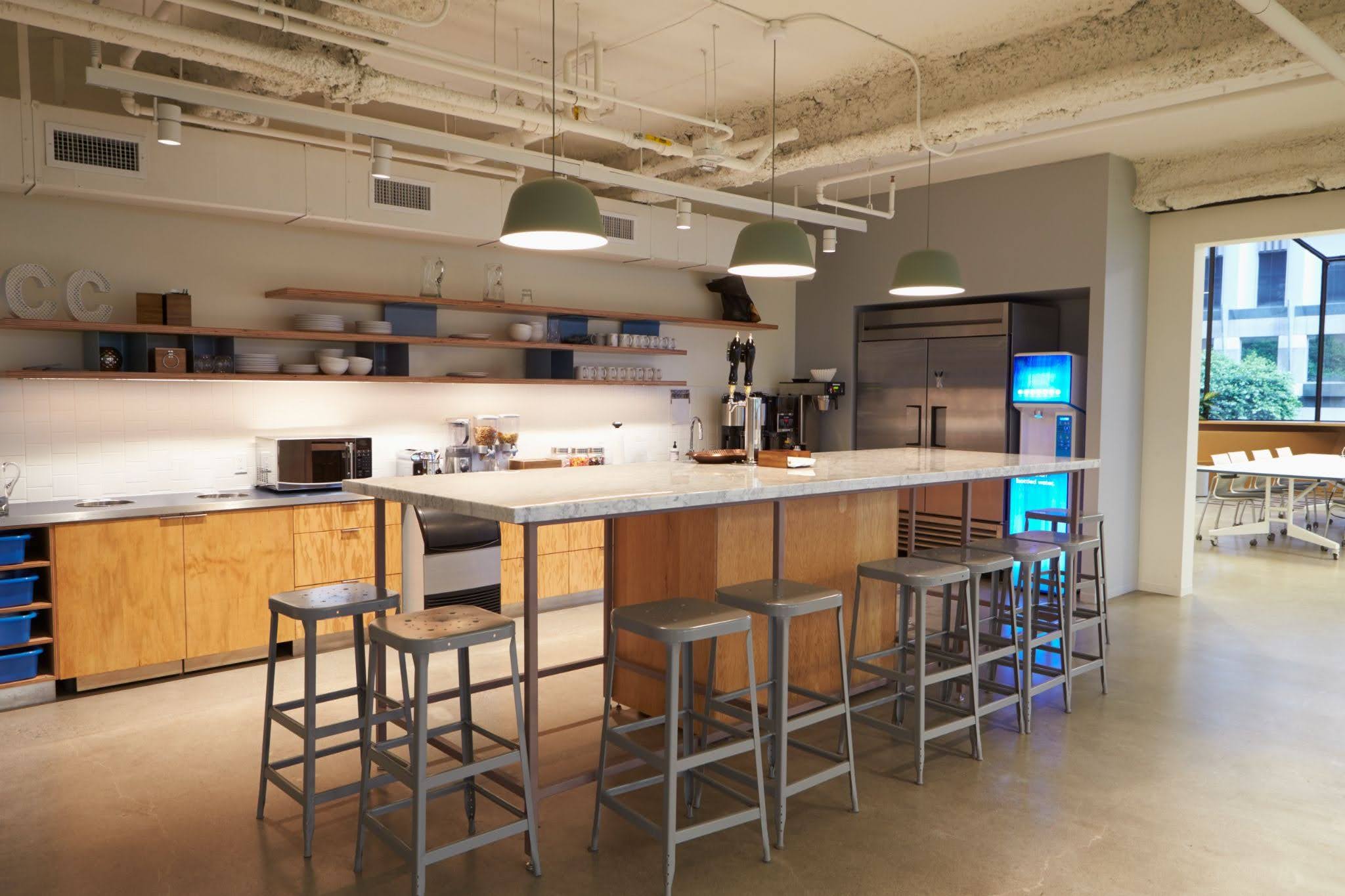
Benefits of Having an Office Pantry
1. Supports Employee Wellbeing and Productivity
Taking short breaks during the workday can help employees recharge and return to their tasks with better focus. An office pantry gives employees a dedicated space to step away from their desks, enjoy a meal, or have a quick break before continuing their work.
A comfortable break area also shows that a company values employee needs. By providing a space for rest and refreshment, businesses can create a workplace that supports employee wellbeing.
2. Encourages Collaboration and Workplace Connection
Some of the best workplace conversations happen outside formal meetings. An office pantry creates opportunities for employees to interact naturally, whether they are preparing a drink, having lunch, or taking a short break.
These informal moments can help employees from different teams connect and exchange ideas. Over time, a shared pantry space can contribute to a stronger workplace culture and better collaboration.
3. Improves Office Organisation and Daily Operations
Without a dedicated pantry area, employees may store food or eat at their workstations, which can create clutter and affect the overall office environment.
A well-planned office pantry provides a designated space for meals, refreshments, and storage. This helps keep work areas organised while making it easier to maintain cleanliness across the workplace.
Considerations When Designing an Office Pantry
Designing an office pantry should be planned around how employees use it every day, from preparing drinks to storing supplies and taking short breaks.
Plan the Layout Around Daily Usage
A functional pantry layout should allow employees to move comfortably while carrying out everyday activities. Businesses should consider the number of employees using the space, the available area, and how different elements such as counters, appliances, and seating are arranged.
A well-planned layout helps prevent congestion and allows the pantry to remain practical even during busy periods.
Include Sufficient Storage Solutions
Storage plays an important role in keeping an office pantry organised. Cabinets, shelves, and drawers provide space for pantry essentials such as cups, utensils, food supplies, and cleaning items.
With the right storage solutions, businesses can reduce clutter and make it easier for employees to maintain the space.
Choose Furniture That Supports Long-Term Use
Office pantry furniture needs to handle daily use while remaining easy to maintain. System furniture and customised solutions can help businesses make better use of available space while creating storage that fits their workplace needs.
The right furniture choices can improve both the functionality and appearance of the pantry.
Consider Hygiene, Accessibility, and Maintenance
A good office pantry should be easy for everyone to use and maintain. Businesses should consider factors such as easy-to-clean surfaces, proper ventilation, waste disposal areas, and accessibility when planning the space.
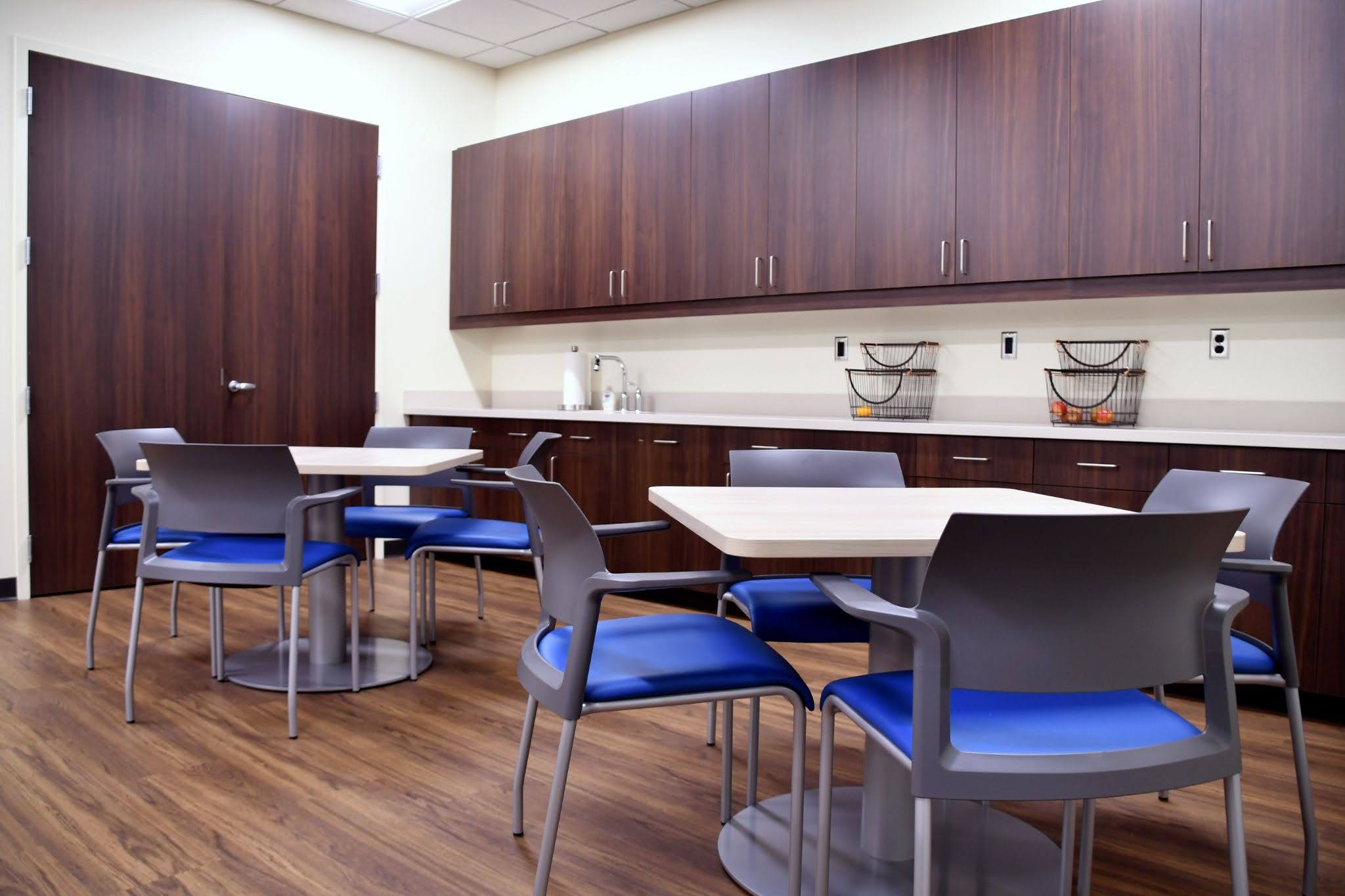
Common Mistakes to Avoid When Designing an Office Pantry
While an office pantry can bring value to the workplace, poor planning can affect how well the space serves employees. By understanding common mistakes, businesses can create a pantry that remains functional and practical in the long run.
Treating the Pantry as an Afterthought
One common mistake is leaving pantry planning until the later stages of office design. When the space is not considered from the beginning, businesses may end up with a pantry that does not fit the overall office layout or employee needs.
Including the pantry early in the planning process allows it to work alongside other workplace areas instead of becoming a last-minute addition.
Creating a Layout That Does Not Match Employee Usage
A pantry should be designed based on how employees will use the space. A layout that does not consider the number of users, daily routines, or available space can make the area difficult to navigate.
For example, a pantry that is too small may become crowded during peak hours, while poor placement can disrupt movement around the office.
Providing Insufficient Storage
Without enough storage, pantry items can quickly create clutter. Limited cabinet space or poor organisation can make it harder for employees to keep the area clean and easy to use.
Planning storage requirements early helps businesses create a pantry that stays organised over time.
Prioritising Appearance Over Functionality
While the look of an office pantry matters, design should not come at the expense of practicality. Choosing materials, furniture, and layouts based only on appearance may result in a space that does not support daily use.
A successful pantry design should balance visual appeal with durability and functionality.
Ignoring Long-Term Maintenance
A pantry needs regular upkeep to remain comfortable and hygienic. Overlooking factors such as cleaning, ventilation, and material selection can create challenges after the office is in use.
Considering long-term maintenance during the planning stage helps businesses create a pantry that continues to meet workplace needs.
Conclusion
An office pantry may seem like a small part of the workplace, but its impact goes beyond providing a place for meals and refreshments. When planned properly, it can support employee wellbeing, encourage workplace connections, and contribute to a better workplace experience.
Understanding the importance of an office pantry allows businesses to make better decisions when designing their workspace. With thoughtful space planning and the right office furniture solutions, businesses can design an office pantry that is practical, comfortable, and built for everyday use.